
AI-Generated Genomes, Retinal Implants, and Palomar's Mystery Lights Explained
Support From First Principles
Help us cover production costs and keep every episode free for everyone.
Aligned, Multiple-transient Events in the First Palomar Sky Survey
Imagine you take a picture of the sky before satellites were ever launched, and you find some unexpected bright spots. Scientists are looking for clues as to what caused these spots—they could be reflections from objects we haven’t identified yet. This research helps us understand what might have been out there before we filled the skies with technology.
Subretinal Photovoltaic Implant to Restore Vision in Geographic Atrophy Due to AMD
A new eye implant called the PRIMA system helped restore central vision in people with geographic atrophy, a severe form of age-related macular degeneration that causes blindness. After 12 months, patients showed significant improvement in their ability to see, offering hope for treating a condition that currently has no cure.
In silico generation of synthetic cancer genomes using generative AI
Imagine you have a big puzzle, but you can't see all the pieces because they're hidden for privacy reasons. This makes it hard to solve the puzzle. Scientists have found a way to create new puzzle pieces that look just like the hidden ones, so they can share them with others to help solve the puzzle faster. This means they can understand cancer better and find new ways to treat it.
Transients in the Palomar Observatory Sky Survey (POSS-I) may be associated with nuclear testing and reports of unidentified anomalous phenomena
Imagine you're looking through old photographs of the night sky from the 1950s and you notice bright dots that appear in some pictures but not others - like stars that blink on and off. Scientists found hundreds of these mysterious "transient" objects in photos taken before any satellites existed. When they compared the dates these objects appeared with historical records of nuclear bomb tests and UFO reports, they found some surprising patterns: these mystery objects were 45% more likely to show up around the time of nuclear tests, and on days with more UFO reports, there tended to be more of these sky objects too. It's like finding that lightning tends to happen more often during thunderstorms - the connection might mean something important, even if we don't know exactly what yet.

Harder Than Diamond? The New Hexagonal Diamond Breakthrough
A 50-year debate, a harder-than-diamond claim, and some very funny peer review drama.
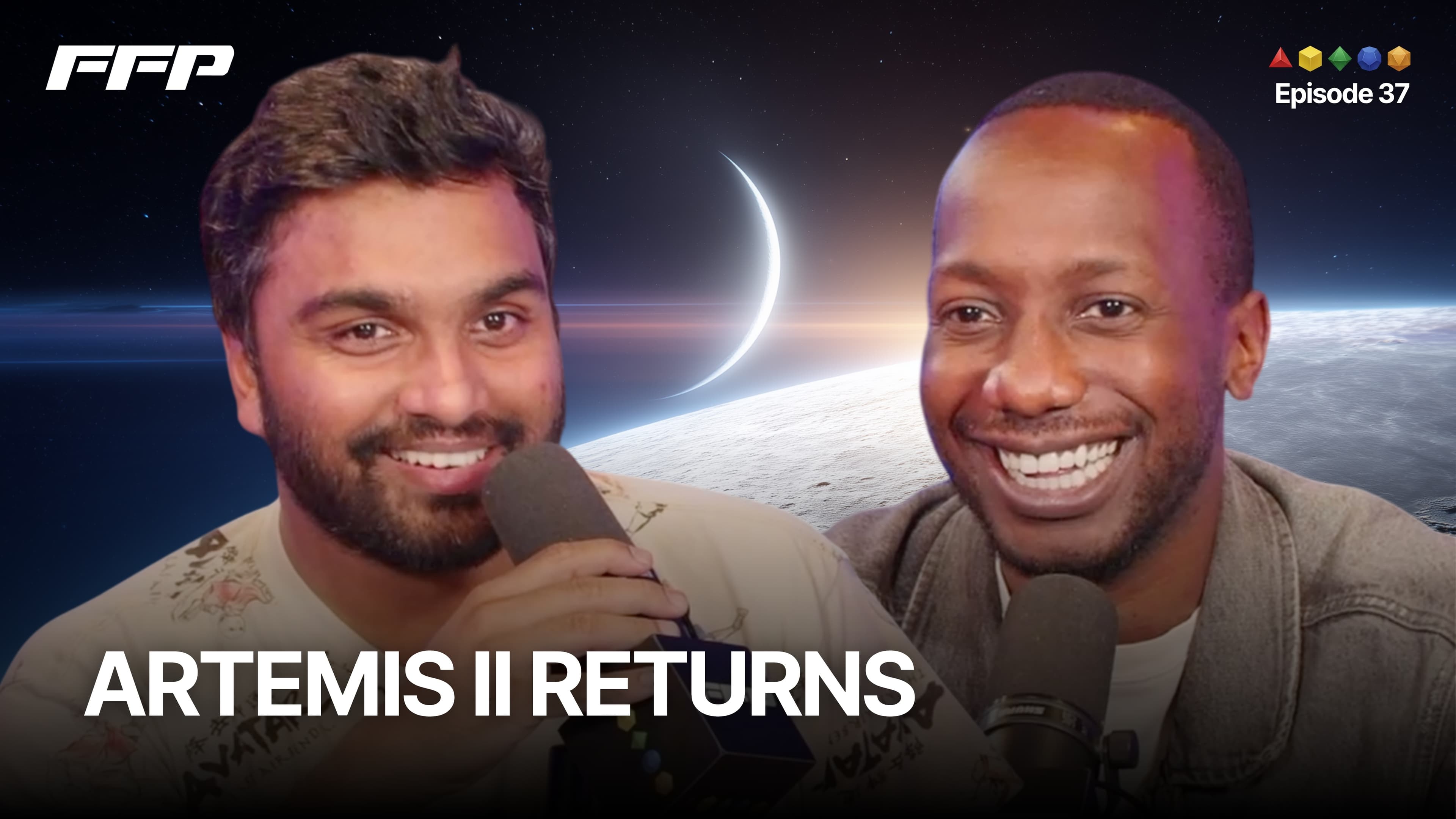
Artemis II: Deep Dive on the Moon Flyby, Earthset, and Reentry
From Earthset and Earthrise to eclipse shots and skip-entry reentry, this is our full Artemis II deep dive.

Artemis II, Claude Code Leak, iPhone Spyware & Project Hail Mary
Artemis 2, the Claude Code leak, cats as cancer models, leaked iPhone spyware, and the science of Project Hail Mary.
Can AI Help Wake Coma Patients? The Science of Consciousness
A deep dive into how an AI model used real brain data to map coma circuits, predict new mechanisms of unconsciousness, and point to a possible target for restoring wakefulness.